Wild swimming is one of the purest ways to connect with nature. Whether it is plunging into icy mountain pools, drifting in crystal-clear lakes, or floating in calm jungle waters, these experiences offer a mix of adventure and tranquility. Here are some of the most spectacular wild swimming spots across the globe.
Dawki Lake, Meghalaya, India
Dawki Lake, also known as the Umngot River, is famous for its unbelievably clear water that makes boats look as if they are floating in the air. Located near the India-Bangladesh border, this serene lake is surrounded by lush hills and Khasi villages. It is one of India’s most picturesque wild swimming destinations, perfect for those seeking calm and beauty.
Devil’s Pool, Victoria Falls, Zambia
For thrill seekers, Devil’s Pool is perhaps the most daring swim in the world. This natural pool lies right on the edge of Victoria Falls, about 110 meters above the Zambezi River gorge. Accessible only during the dry season between August and January, it allows adventurous swimmers to float at the brink of one of the planet’s greatest waterfalls while being safely held back by a natural rock ledge.
Fairy Pools, Isle of Skye, Scotland
Set at the foot of the Cuillin Hills, the Fairy Pools are a series of small waterfalls and crystal-clear pools. The water is chilly year-round, but the dramatic Highland backdrop makes this swim unforgettable. Wetsuits are optional, but courage is not.
Lake Kivu, Rwanda
Lake Kivu, one of Africa’s Great Lakes, is surrounded by volcanic mountains and dotted with sandy shores. Despite its size, it has safe swimming zones free from crocodiles or hippos, making it a popular destination for both locals and visitors. The calm, warm waters provide a refreshing escape and plenty of opportunities for relaxation.
Pongara National Park Beach, Gabon
Almost 90 percent of Gabon is covered in forest, and Pongara National Park is among its wildest corners. The park is home to elephants and exotic birds, and its coastline remains largely untouched. The beaches here offer some of the most pristine and peaceful wild swimming experiences in Africa.
Hampstead Mixed Pond, London, UK
In the heart of North London, Hampstead Heath offers one of the best city escapes for nature lovers. The historic Hampstead Ponds include three designated pools for men, women, and mixed bathing. Open from May to October, they attract both locals and visitors looking for a refreshing break from urban life.
Silvermine Reservoir, Cape Town, South Africa
Cape Town’s beaches are world-famous, but they can get busy. For a quieter option, head inland to Silvermine Reservoir in Table Mountain National Park. This scenic spot is surrounded by fynbos and mountain views, offering a safe and family-friendly swimming environment.
Cenotes, Yucatán Peninsula, Mexico
The Yucatán Peninsula is known for its cenotes, natural sinkholes formed by collapsed limestone caves. These pools of fresh water, once sacred to the Mayans, are now among Mexico’s most popular wild swimming spots. Cenotes such as Ik Kil and Dos Ojos are especially striking, with turquoise waters and shafts of sunlight filtering through the openings above.
Bloso Domein Hofstade, Brussels, Belgium
Once a sand quarry, Hofstade near Brussels was transformed into a recreation area in the 1980s. Today, it is a popular swimming lake with sandy shores, safe bathing zones, and surrounding nature trails. It is an easy day trip for anyone looking to escape the Belgian capital.
Erawan Falls, Thailand
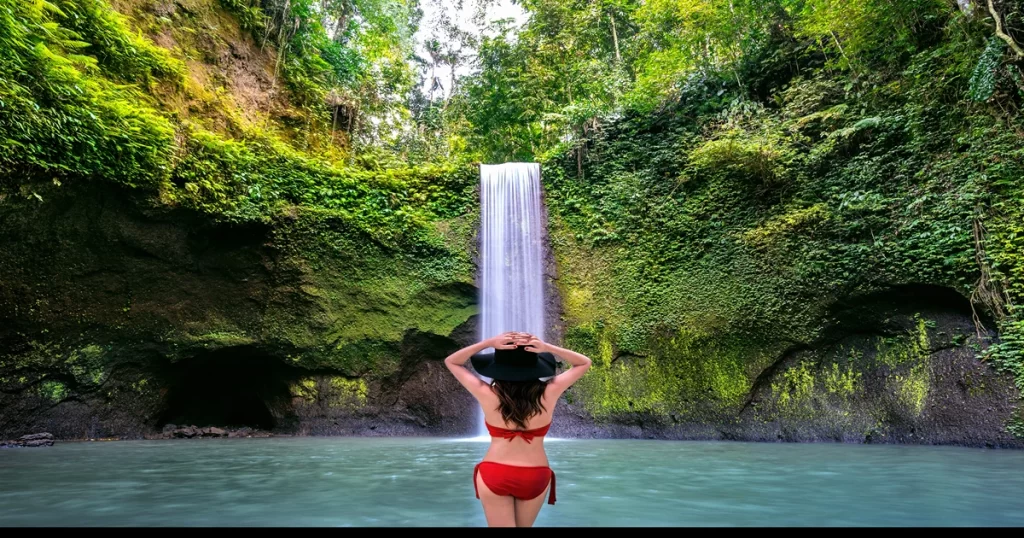
Located in Kanchanaburi’s Erawan National Park, this seven-tiered waterfall creates a chain of emerald-green pools. Visitors can trek between the levels and take refreshing dips along the way. It is one of Thailand’s most scenic wild swimming locations.
Travel Tip: Always check local conditions before swimming. Some spots, like Devil’s Pool in Zambia, are seasonal, while others may have restrictions to protect natural ecosystems. Respecting nature ensures these incredible places remain just as beautiful for future visitors.
Happy Voyaging!
FAQs
1. What is wild swimming?
Wild swimming means swimming in natural bodies of water such as rivers, lakes, waterfalls, and coastal lagoons rather than man-made pools. It combines adventure, relaxation, and a closer connection with nature.
2. Is wild swimming safe?
Yes, but safety depends on the location and season. Always check local rules, avoid strong currents, and swim in designated safe areas when available. It is also wise to avoid swimming alone and be mindful of water levels and weather conditions.
3. When is the best time for wild swimming?
The ideal time varies by destination. In Europe and the UK, summer months (May to September) are most popular. In Africa and Asia, it depends on the dry season when water is calmer and safer. For example, Devil’s Pool at Victoria Falls is only open between August and January.
4. What should I bring for wild swimming?
Essentials include a swimsuit, quick-dry towel, water shoes (for rocky areas), and sometimes a wetsuit if the water is very cold. Eco-friendly sunscreen is recommended to protect both your skin and the environment.
5. Are wild swimming spots suitable for families?
Yes, many locations like Silvermine Reservoir in South Africa, Hampstead Ponds in London, or Lake Kivu in Rwanda have safe areas suitable for families. However, thrill-seeking spots like Devil’s Pool are strictly for confident adult swimmers.
6. Can you swim year-round in wild swimming destinations?
Not always. Some destinations are seasonal due to safety concerns, water levels, or weather conditions. Always check ahead before planning your trip.
7. Do I need special permits or tickets for wild swimming?
Most places are free, but some, such as Hampstead Ponds in London or national parks like Erawan in Thailand, may require entry tickets or online booking.