Eastern Europe is a treasure trove of cultural and historical wonders, as well as natural beauty. It’s a region of the world that has seen a lot of changes over the years, but one thing remains constant: its charm and appeal as a travel destination.
Let’s look at some of the best places to visit in Eastern Europe in this blog post.
List of Seven Best Places in East Europe
Prague, Czech Republic
Prague is often referred to as the “City of a Hundred Spires” due to its stunning skyline of spires and towers. The city is home to numerous historical landmarks, such as the Prague Castle and the Charles Bridge, and boasts a vibrant cultural scene with its museums, galleries, and theaters. Additionally, Prague is renowned for its beer and is home to some of the best breweries in Europe.
Budapest, Hungary
Budapest is a stunning city, bisected by the Danube River and home to some of the most beautiful architecture in Europe. The city is home to numerous thermal baths, which are a must-visit for any traveler. Additionally, Budapest is a food lover’s paradise, with a range of restaurants serving traditional Hungarian dishes.
Krakow, Poland
Krakow is one of the most charming cities in Europe, with a beautifully preserved old town that’s listed as a UNESCO World Heritage Site. The city is home to the Wawel Castle and the stunning St. Mary’s Basilica, as well as a range of excellent museums. Additionally, Krakow is known for its nightlife and its traditional Polish cuisine.
Dubrovnik, Croatia
Dubrovnik is a beautiful coastal city, with a well-preserved old town that’s been designated as a UNESCO World Heritage Site. The city boasts a stunning coastline, with crystal clear waters and sandy beaches. Additionally, Dubrovnik is home to some of the best seafood restaurants in the region, serving up freshly caught fish and shellfish.
Sofia, Bulgaria
Sofia is a city that’s often overlooked by travelers, but it’s well worth a visit. The city is home to numerous historical landmarks, such as the Alexander Nevsky Cathedral and the National Palace of Culture, as well as a range of excellent museums. Additionally, Sofia is a great destination for those looking to experience traditional Bulgarian cuisine.
Tallinn, Estonia
Tallinn is a beautiful medieval city, with a well-preserved old town that’s been designated as a UNESCO World Heritage Site. The city is home to numerous historical landmarks, such as the St. Alexander Nevsky Cathedral and the Town Hall Square, as well as a range of excellent museums. Additionally, Tallinn is known for its nightlife and its traditional Estonian cuisine.
Riga, Latvia
Riga is a city that’s known for its Art Nouveau architecture, with numerous buildings in the city center featuring this iconic style. The city is home to numerous historical landmarks, such as the Riga Castle and the St. Peter’s Church, as well as a range of excellent museums. Additionally, Riga is known for its nightlife and its traditional Latvian cuisine.
As a result, Eastern Europe is a region filled with historical and cultural treasures, as well as natural beauty. Whether you’re interested in exploring stunning cities, relaxing on beautiful beaches, or experiencing traditional cuisine, there’s something for everyone in this fascinating part of the world.
Happy Voyaging!
FAQs
1. Which countries are considered part of Eastern Europe?
Eastern Europe generally includes destinations such as Czech Republic, Hungary, Poland, Slovakia, Romania, Bulgaria, and the Baltic States (Estonia, Latvia, Lithuania). Some Balkan countries like Croatia, Slovenia, and Serbia are also popular choices for travelers exploring this region.
2. What are the must-visit places in Eastern Europe?
- Prague, Czech Republic – Charles Bridge, Prague Castle, Astronomical Clock
- Budapest, Hungary – Thermal Baths, Parliament Building, ruin bars
- Kraków, Poland – Wawel Castle, Main Market Square, Auschwitz Memorial
- Bratislava, Slovakia – Bratislava Castle, Old Town, Blue Church
- Riga, Latvia – Art Nouveau architecture, UNESCO Old Town, Central Market
- Tallinn, Estonia – Medieval Town Walls, Toompea Castle, Town Hall Square
- Tara National Park, Serbia – Drina River Gorge, forest trails, wildlife spotting
3. When is the best time to visit Eastern Europe?
The ideal time is spring (April–June) and autumn (September–October) when the weather is mild, crowds are smaller, and landscapes are vibrant. Winters (December–February) are cold but magical, especially in cities like Prague, Budapest, and Tallinn with their Christmas markets and snow-covered streets.
4. Are there any underrated destinations worth exploring?
- Vilnius, Lithuania – A charming old town with baroque architecture
- Sighişoara, Romania – Birthplace of Vlad the Impaler (Dracula legend)
- Montenegro – Adriatic coastline and medieval towns like Kotor
- Serbia’s Tara National Park – Perfect for nature lovers and hikers
5. How easy is it to travel between countries in Eastern Europe?
Travel is very convenient. Most countries are connected by reliable rail and bus networks, making multi-city trips affordable. Budget airlines also operate frequently between major hubs like Prague, Warsaw, and Budapest.
6. Do I need a visa to visit Eastern Europe?
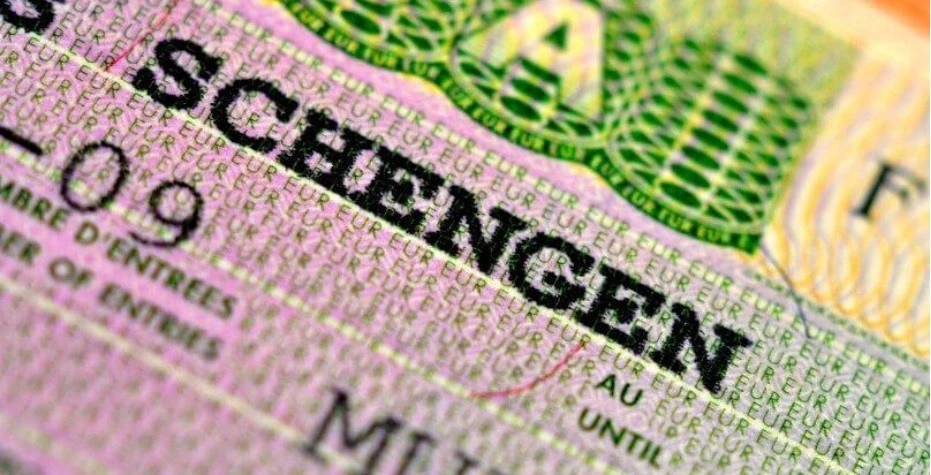
Many countries in Eastern Europe are part of the Schengen Zone (e.g., Czech Republic, Hungary, Poland, Slovakia, Estonia, Latvia, Lithuania). A single Schengen visa usually allows access to multiple destinations. However, non-Schengen countries such as Serbia, Montenegro, and parts of the Balkans may require separate visas. Always check requirements before planning.
7. What are some UNESCO World Heritage Sites in Eastern Europe?
- Historic Centre of Prague (Czech Republic)
- Buda Castle District (Budapest, Hungary)
- Kraków Old Town (Poland)
- Tallinn Old Town (Estonia)
- Wooden Churches of Maramureş (Romania)
8. What should I pack for my trip?
- Spring/Autumn: Light layers, rain jacket, and comfortable shoes
- Winter: Heavy coat, gloves, boots, and thermal wear
- Summer: Light clothing, sunblock, and walking shoes for city exploration
9. Is Eastern Europe budget-friendly for tourists?
Yes! Compared to Western Europe, Eastern Europe is more affordable for food, transport, and accommodation. Cities like Sofia (Bulgaria), Kraków (Poland), and Belgrade (Serbia) are especially budget-friendly without compromising on experiences.
10. What are some local experiences not to miss?
- Relax in Budapest’s thermal baths
- Try Polish pierogi, Hungarian goulash, and Baltic smoked fish
- Experience folk music and dance in Romania and Slovakia
- Wander through Christmas markets in Prague, Kraków, and Tallinn
- Enjoy vibrant nightlife at Budapest’s ruin bars
Tip for Travelers: Learn a few local phrases, carry a universal adapter, and always keep cash in local currency (smaller towns may not accept cards).
Happy Voyaging!