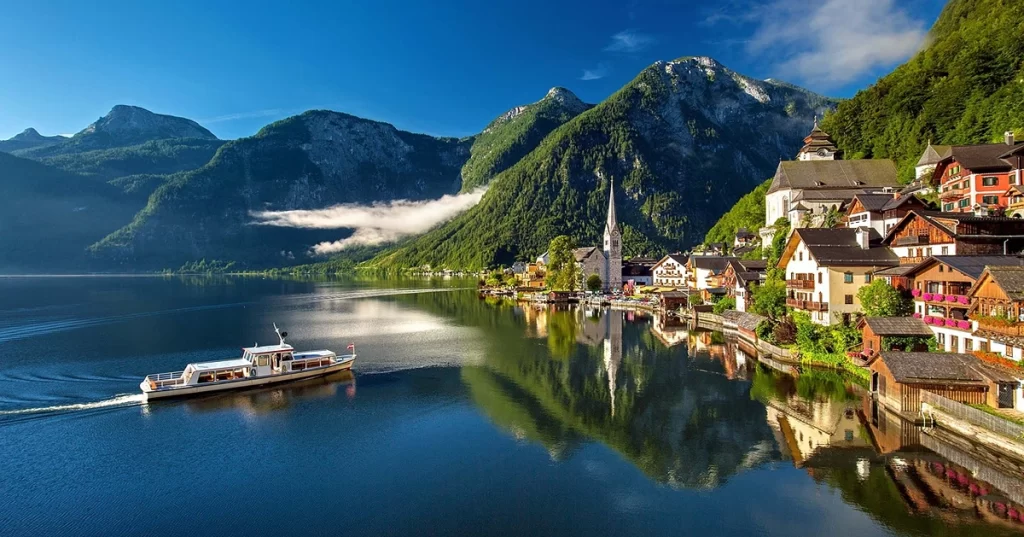
The travel industry today is adapting to meet the augmenting expectations of conscious travelers. The concept of SAVE tourism – sustainable, accessible, valuable, and experiential travel, has emerged as a powerful framework for shaping the future of travel. At the heart of this shift is a deep desire for responsible and meaningful travel experiences that contribute positively to both people and the planet. Here are the principles of SAVE tourism and explore how this approach is redefining the travel vista.
Sustainable Travel- Protecting Our Planet
Sustainability is the cornerstone of SAVE tourism. As climate change and environmental degradation become increasingly urgent concerns, travelers are looking for ways to reduce their ecological footprint. Sustainable tourism aims to balance the environmental impact of travel with efforts to protect natural resources and biodiversity. This includes choosing eco-friendly transportation options, supporting conservation initiatives, and prioritizing accommodations and activities that minimize waste, conserve water, and reduce carbon emissions.
Travelers are also seeking out destinations that prioritize sustainability. From destinations that have committed to reducing single-use plastics to eco-lodges that promote energy efficiency, the rise of sustainable tourism is reshaping how we think about travel. By choosing sustainable options, travelers can enjoy the beauty of the natural world while ensuring that future generations can experience it too.
Accessible Travel- Ensuring Equal Opportunities for All
One of the most exciting aspects of SAVE tourism is the focus on accessibility. Accessible tourism ensures that people with disabilities or other mobility challenges can enjoy travel experiences just like anyone else. This goes beyond wheelchair ramps and accessible hotel rooms. It involves designing destinations, accommodations, and transportation options that cater to the diverse needs of all travelers.
Countries and cities around the world are making significant strides in making tourism more accessible, from wheelchair-friendly beaches to public transport systems equipped with ramps and elevators. Accessible tourism isn’t just about meeting basic requirements; it’s about creating an inclusive environment where everyone feels welcome and capable of exploring the world. This opens up new opportunities for both travelers and destinations to grow and thrive.
Valuable Travel- The Impact of Meaningful Experiences
Today’s travelers are seeking more than just sightseeing; they want to immerse themselves in experiences that enrich their lives and provide lasting value. SAVE tourism emphasizes the importance of meaningful, local, and authentic travel experiences that foster a deeper connection to the destinations visited.
Whether it’s engaging in cultural exchanges, participating in hands-on activities like cooking classes or guided hikes, or supporting local artisans and small businesses, valuable travel emphasizes the importance of making a positive impact on the communities travelers visit. By choosing travel experiences that foster cultural exchange and mutual respect, travelers not only enrich their own lives but contribute to the economic and social development of the destinations they explore.
Experiential Travel- Creating Lasting Memories
Experiential travel is all about immersing oneself in the essence of a destination-its people, culture, and unique offerings. Unlike traditional tourism, which often focuses on popular attractions and well-trodden paths, experiential travel encourages travelers to step off the beaten path and embrace authentic, once-in-a-lifetime moments.
Experiential travel can mean visiting remote villages, participating in local festivals, learning traditional crafts, or exploring hidden gems in nature. The focus is on connection, whether it’s a connection with the local community, nature, or oneself. These experiences leave travelers with lasting memories and a deeper understanding of the world around them.
Why SAVE Tourism Matters?
The demand for SAVE tourism is growing because travelers are more informed and conscious than ever before. They are aware of the environmental, social, and cultural impacts of their travels and are eager to make a difference. By adopting the SAVE tourism principles, both travelers and destinations can work together to create a more responsible and inclusive travel industry.
For businesses in the travel and tourism sector, embracing SAVE tourism is not only a smart move from a sustainability standpoint but also a way to attract a growing segment of conscious consumers. Whether you’re a tour operator, hotel owner, or destination marketer, incorporating sustainable, accessible, valuable, and experiential elements into your offerings will ensure that you stay relevant in an increasingly competitive market.
The Future of Travel
SAVE tourism is more than just a trend, it’s the future of the travel industry. As we move forward, travelers will continue to prioritize sustainability, accessibility, and authentic experiences. By embracing these values, we can ensure that travel remains a force for good, benefiting both the planet and the people who call it home.
At VoyagersInfo, we’re committed to sharing the latest insights and trends in the world of tourism, so you can make informed decisions about your next adventure. Whether you’re planning a sustainable getaway, seeking accessible travel options, or craving immersive experiences, the SAVE tourism framework offers a roadmap for a brighter, more responsible future for all travelers.
Happy Voyaging!
FAQs
1. What does SAVE stand for in tourism?
SAVE stands for Sustainable, Accessible, Valuable, and Experiential—a framework shaping the future of tourism by making travel responsible, inclusive, meaningful, and immersive.
2. Why is SAVE tourism important for the future of travel?
SAVE tourism addresses the shift in traveler preferences toward eco-friendly, inclusive, and authentic experiences while also supporting local communities and protecting the environment.
3. How does sustainable tourism fit into SAVE?
Sustainable tourism focuses on minimizing environmental damage, conserving natural resources, and ensuring local communities benefit from tourism growth.
4. What is meant by experiential tourism?
Experiential tourism allows travelers to actively engage in local culture, traditions, and activities—like food tours, cultural workshops, or eco-adventures—rather than just sightseeing.
5. How can travelers adopt SAVE-friendly practices?
Travelers can choose eco-certified accommodations, support local businesses, look for accessible travel services, and participate in authentic, community-driven experiences.