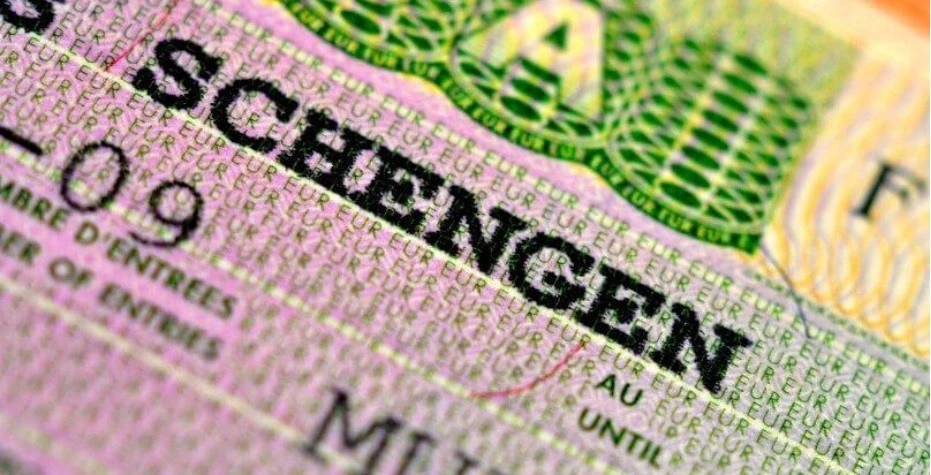
If you’re planning a trip to Europe, chances are you’ll need to apply for a Schengen visa. A Schengen visa allows you to travel to 27 European countries that are part of the Schengen Agreement without needing to obtain separate visas for each country. However, applying for a Schengen visa can be a complex process, and there are a few things you need to keep in mind before you apply.
In this blog post, we’ll outline the top five things you need to remember before applying for a Schengen visa.
Short-stay Schengen visas allow travelers to travel to any member of the Schengen Area for tourism or business for a period of up to 90 days per stay. Plan your itinerary and book your travel arrangements in advance. Before applying for a Schengen visa, you need to have a clear plan for your trip. You’ll need to provide your itinerary as part of your visa application, and you may be asked to provide proof of your travel arrangements, such as flight tickets and hotel bookings. Make sure you have a detailed itinerary and that you’ve booked all of your travel arrangements in advance.
Check the visa requirements for the country you’ll be spending the most time in. If you’ll be spending more time in one particular Schengen country than in any of the others, you’ll need to apply for your Schengen visa through that country’s embassy or consulate. Make sure you check the visa requirements for that country specifically, as they may have additional requirements or documentation you’ll need to provide.
Ensure your passport is valid and has enough blank pages
Your passport must be valid for at least three months beyond your planned departure date from the Schengen area, and it must have at least two blank pages. If your passport is set to expire soon, you’ll need to renew it before applying for your Schengen visa.
Gather all the necessary documentation
In addition to your itinerary and proof of travel arrangements, you’ll need to provide a range of other documents as part of your Schengen visa application. These may include:
- Proof of sufficient funds for your trip
- Travel insurance that covers medical expenses and repatriation
- A letter of invitation from a host in one of the Schengen countries (if applicable)
- Proof of accommodation (such as hotel reservations)
- A completed Schengen visa application form
- Make sure you have all the necessary documents in order before submitting your application.
- Allow plenty of time for your visa application to be processed
The processing time for a Schengen visa can vary depending on the embassy or consulate through which you’re applying, so ensure you allow sufficient time for your application to be processed. In general, it’s a good idea to apply for your visa at least three weeks before your planned departure date. Keep in mind that during peak travel periods, such as the summer months, processing times may be longer.
Applying for a Schengen visa can be a complex process, but by keeping these five things in mind, you’ll be better prepared to navigate the process and ensure that your application is successful.
Latest Updates for Schengen Visa Applicants (2025–2026)
Schengen visa rules are continuously evolving, and travelers should stay informed before applying. Here are the most important updates:
- Entry/Exit System (EES) – October 2025
Passport stamping will be replaced by a digital biometric system. Each entry and exit will be logged electronically, making border checks faster and reducing overstays. - End of Informal Appeals in Germany
From 2024, Germany has removed the informal remonstration process. If your visa is denied, you must now go through a formal legal appeal, which can be time-consuming and expensive. - EU-Wide Digital Visa Platform – Expected 2026
The European Union is introducing a unified online Visa Application Platform (EU VAP). This will allow travelers to apply digitally for any Schengen country, upload documents online, and track applications in real time. - Multiple-Entry Visas for Frequent Travelers
If you’ve held and successfully used Schengen visas before, you may now qualify for a 1–5 year multiple-entry visa, making travel much easier for business professionals, students, and frequent tourists. - Country-Specific Fund Requirements
While proof of funds is mandatory everywhere, the daily minimum amount varies. For example, France may require up to €120 per day (without hotel bookings), while Spain or Italy may have lower thresholds. Always check the embassy website of the first-entry country.
FAQs
1. When should I apply for a Schengen visa?
You can apply 6 months to 15 days before travel, but ideally 30–60 days before departure to avoid appointment delays.
2. Which embassy should I apply to if visiting multiple countries?
Apply to the country where you’ll spend the most days. If time is equal, apply to the country of first entry.
3. What are the essential documents required?
A valid passport (issued within 10 years, 3 months beyond return), visa application form, travel insurance (min. €30,000), confirmed bookings, proof of funds, and ties to your home country.
4. Is travel insurance mandatory?
Yes, travel Insurance must cover €30,000 in medical expenses across all Schengen countries, including emergencies, hospitalization, and repatriation.
5. Do all applicants need to attend an interview?
No. Interviews are not always required, but some embassies (like Germany or France) may request one. Be prepared with your documents and itinerary.
6. Can I appeal if my Schengen visa is denied?
Yes. Each country has its own appeal process. Note that Germany has removed informal appeals—only a formal legal route remains.
7. What is the Schengen Entry/Exit System (EES)?
From October 2025, the EES will replace manual passport stamping with digital biometric tracking of entries and exits.
8. Will there be an online visa application process?
Yes. From 2026, the EU plans to introduce a digital visa application portal, making the process more transparent and streamlined.
9. Can I get a multiple-entry Schengen visa?
Yes. Frequent travelers may qualify for a visa valid up to 5 years, depending on their travel history and compliance.
10. How much money do I need to show for my trip?
The amount depends on the country. For instance, France requires up to €120/day if you don’t have hotel bookings, while other countries require less. Always check the specific embassy’s financial requirements.
Happy Travel! Keep Voyaging!